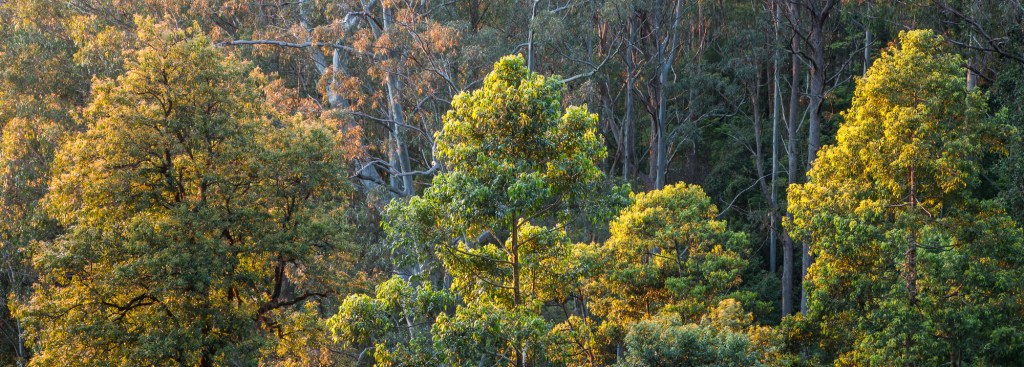
In a recent article in The Conversation, researchers report that changing fire patterns are having a major impact on biodiversity. Areas that have escaped fire for decades or centuries feature vital structures for wildlife such as logs and tree hollows, and are critical habitat for many threatened species. They found that this long unburnt habitat is in severe decline.
“…we analysed the past four decades of fires across southern Australia. We found fires are becoming more frequent in many of the areas most crucial for protecting threatened wildlife. Long unburnt habitat is disappearing faster than ever.”
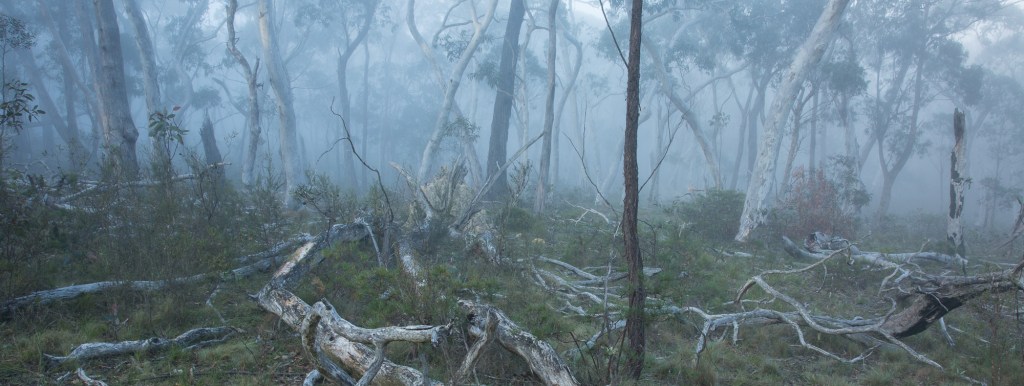
Studies of changed fire activity across 415 conservation reserves and state forests in southern Australia showed the worst affected areas were in southeastern Australia, including the Kosciuszko and Alpine national parks.
“We estimate the total area of long unburnt vegetation decreased by about 52,000 square kilometres, from about 132,000 sq km in 1980 to about 80,000 sq km in 2021. That’s an area almost as large as Tasmania.”
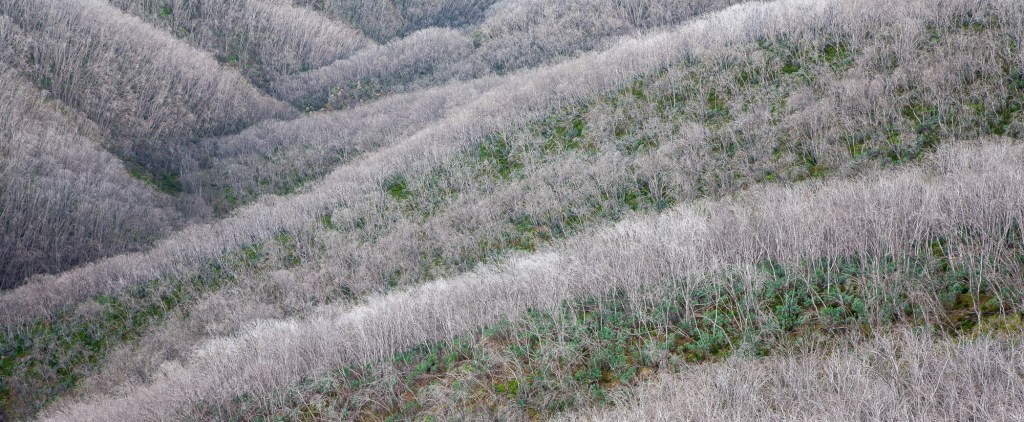
The researchers conclude that there is a need for increased focus on conserving threatened species in fire management strategies.
“While the extent of unburnt vegetation has been declining since 1980, increases in fire frequency and the extent of recently burnt vegetation were mainly driven by the record-breaking 2019-2020 fire season.”
IBG comment
- Critical areas of habitat need to be given greater protection from both wildfire and planned fire. Environmental values are often overlooked, especially in emergency events when the focus is on human life and property.
- A previous IBG post (October 31, 2023) looked at the CSIRO book Australia’s Megafires, a detailed review of the biodiversity impacts of Black Summer. In another article in The Conversation, several of the authors pointed to six lessons of Black Summer. They included the lack of information to prioritise important areas for conservation, ‘grossly insufficient’ conservation funding, sidelining of First Nations’ knowledge and ‘our most significant species and natural environments’ ‘usually come last’ in disasters.
- The NSW Bushfire Inquiry suggested that critical environmental assets could be given a priority second only to human life (i.e. above property) in bushfires, but did not make a recommendation to that effect.
- Since then, NSW has ensured listed Assets of Intergenerational Significance are given legal recognition in fire planning (see IBG post of September 10, 2021). Commonwealth environmental law reform should create similar recognition.
- IBG has long argued that improved suppression of wildfires can reduce the area burnt and hence the impact on biodiversity and human communities. Key reforms include faster and stronger initial attack and a better mix of strategies when fires do grow large.
 Independent Bushfire Group