Revelations from the NSW Bushfires Coronial

While the Coronial Inquiry into the 2019/2020 NSW Bushfires produced limited recommendations (see IBG post 8 April 2024), the body of the coroner’s report contains useful information. One item of interest is an ‘executive statement’ submitted to the coroner from the NSW National Parks and Wildlife Service (NPWS), which is reproduced in full in the coroner’s report (see Volume 2, Attachment B, pages 312-313). The NPWS statement raises three concerns arising from the fires of 2019-2020:

  • Prioritisation of aircraft, particularly for rapid response to new ignitions
  • Command and control of fires
  • Investigation of fires

While the Rural Fire Service (RFS) is the lead bushfire agency in NSW, the Rural Fires Act 1997 recognises three other ‘fire fighting authorities’. These are NSW Fire and Rescue, OEH (NPWS) and NSW Forestry Corporation. These agencies cooperate in major fire emergencies, and each have their own specialties, strengths and weaknesses.
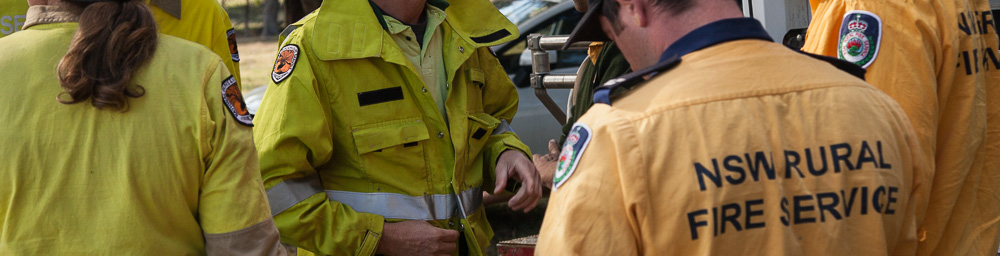
Fire agencies work together

NPWS is usually responsible for first response and ongoing suppression (often with RFS) for bushfires that start on NPWS managed land (9.5% of NSW), and often assist with off-park fires. Advice from NPWS is that they have more than 1200 trained firefighters. Of these, 850 are qualified for RAFT (Remote Area Firefighting Teams). This is the largest paid bush fire fighter force in NSW, and also the largest RAFT force. RAFT is an NPWS specialty because of the extent of bushfire-prone land the agency manages that is only accessible on foot or by air. NPWS also runs several fire-equipped helicopters to transport firefighters, water-bomb and provide other support to bushfire response.

Much of the NPWS statement is repeated and reinforced in the coronial report, including this (Volume 2, page 283) on aircraft allocation:

Aircraft are a critical resource for suppressing new wildfires in remote areas

The NPWS statement cites the Gospers Mountain and Ruined Castle fires as examples, both in the Greater Blue Mountains. The NPWS statement (Coroner’s Report Volume 2, page 312) also says:

Elsewhere (Volume 2, page 14) the coroner’s report says:

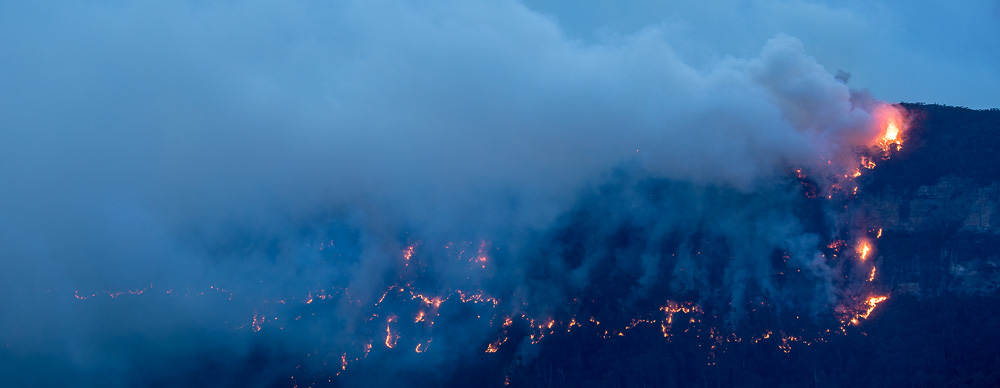
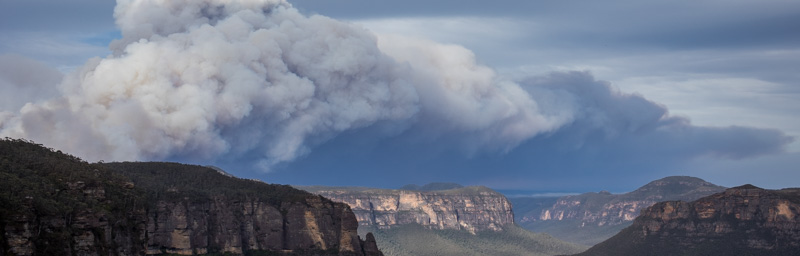
Ruined Castle fire burning close to Katoomba after it got away, 1 December 2019
  • This information from the coroner’s report confirms longstanding IBG concerns. Since its inception IBG has said that, based on analysis, many of the worst fires in Black Summer started as lighting strikes in remote bushland and could have been put out but were not. IBG has urged expansion of RAFT capacity and changed protocols to ensure new ignitions receive high priority for response and resources.

(Reducing the Costs and Impacts of Bushfires, IBG July 2020)

Fires are most easily suppressed when they are small, especially in areas inaccessible to ground vehicles.
  • It is now widely recognised that putting new fires out quickly is critical to reducing the impact of bushfires. The NSW Bushfire Inquiry (2020), the Royal Commission Into National Natural Disaster Response (2021) and now the NSW Bushfires Coronial (2024) have all emphasised this principle. A small fire is a cheap fire and a less damaging fire.
  • Since 2019-2020 the RFS has obtained two additional medium helicopters and NPWS has obtained one additional medium helicopter, all of which can do RAFT work. RAFT personnel have also increased in number, with NPWS provided with 200 additional positions to be RAFT-capable and RFS receiving additional fire mitigation teams. According to the coroner’s report, RFS has conducted trials on pre-positioning RAFT and aircraft for rapid response, and a predictive module for ignition potential has been embedded into fire management systems.
  • However IBG remains concerned that these resource and procedural improvements have not been supported by changes in protocols and priority-setting, or in removing other barriers to rapid and adequate initial attack.
  • Recommendation 45(b) from the NSW Bushfire Inquiry said: “…this may require prioritising the deployment of RART to enable rapid initial attack of new remote area ignitions over ongoing suppression operations, where supported by a relative risk assessment”. Inquiry Progress Reports cite this recommendation as “Complete” in 2021, despite no such protocol being reported.
  • The coroner’s report subsequently pointed to the lack of a clear system for prioritising fires and aircraft in 2019-2020, but reported no action on this front.
  • Despite these findings from two inquiries, IBG is not aware that any risk analysis system has been adopted. Priority setting remains opaque.

(Reducing the Costs and Impacts of Bushfires, IBG July 2020)

Its too late to get this one, so strategies have to fall back to much larger containment, creating a bigger threat and heavy resource requirements.
  • Resources were stretched from very early on in Black Summer, and conditions were often very challenging. Still, many fires were put out when they were small, despite the prevailing conditions of severe drought which made suppression more difficult.
  • Priorities should be based on a formal risk management system, as in so many other critical industries. This would include assessment of both the short term and long term threats and risks of fires. In a dangerous season such as Black Summer, IBG’s analysis suggests that new ignitions should often be prioritised above going fires. Otherwise big new fires keep coming with ever-expanding impacts and demands on firefighting resources.
  • Focusing limited resources on new fires can be a rational and defensible decision even if it might risk increased damage from going fires. Risk assessment would be informed by factors such as forecast thunderstorms, especially if followed by a forecast of deteriorating fire weather.
  • NSW needs dedicated fast remote response capacity that is always available when there is a risk of lightning ignitions.
  • Every fire is different, and a range of factors would have played out in each fire in Black Summer and later seasons that “got away”. It is important that these factors are analysed from past fires so that they can be taken into account in risk management, resource deployment and priorities. This analysis is not being done.
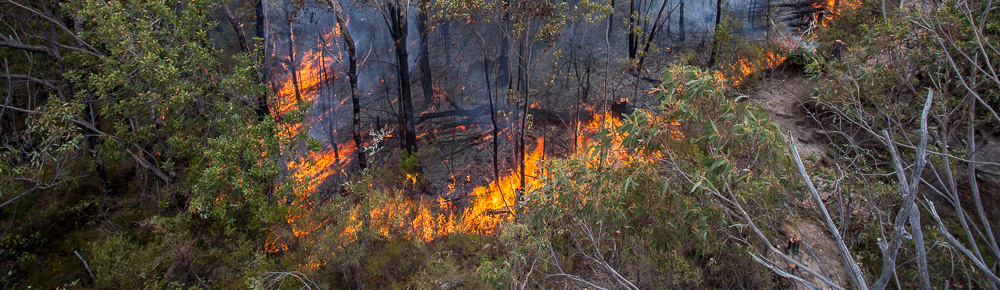
A case study – initial attack on the Green Wattle Creek fire (2019)

  • In their coronial submission, NPWS nominated the Gospers Mountain and Ruined Castle fires as Black Summer lightning ignitions that could have been put out. Gospers Mountain became what has been described as Australia’a largest ever forest fire. IBG analysis has found other major fires that could have been put out. An example was Green Wattle Creek, a large and disastrous fire that led to two deaths.
  • A chronology of the early stages of the Green Wattle Creek fire appears on pages 328-329 of Volume 1 the coroner’s report, and IBG has its own analysis. The same wave of thunderstorms, presumed to occur late on 26 November 2019, ignited Green Wattle and at least four other fires in the region: in the upper Kowmung River, on Kanangra Plateau (Thurat), at Butchers Creek and in the Blue Labyrinth (Red Ridge). The Thurat fire was close to vehicle access and was extinguished, but later overrun. No response was made to the Kowmung fire in very rugged terrain, and it eventually merged with the Green Wattle Creek fire.
  • Green Wattle Creek and Butchers Creek fires were separate ignitions close together. The first response to these fires was by an NPWS RAFT team who assessed the situation by helicopter at about 9.00 am on 27 November. A photo of the Green Wattle fire from this flight is reproduced on page 329 (Volume 1) of the coroner’s report. It shows a few puffs of smoke with “no flames visible”.
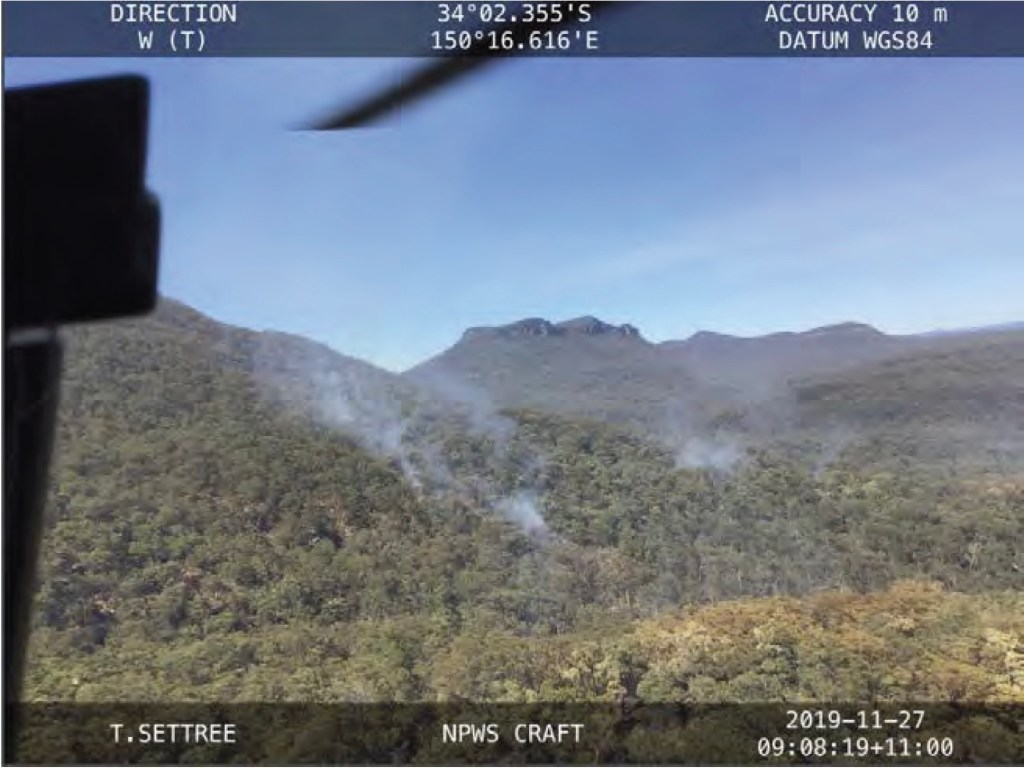
Green Wattle Creek fire at 0908 am on 27 November 2019 (from coroner’s report Volume 1)
  • Before they could take any action, the NPWS team was diverted to the Red Ridge fire, a priority due to its closer proximity to human assets. Red Ridge was one of at least 20 fires extinguished in the Blue Mountains national park system that season, but was later overrun by the Green Wattle Creek fire.
  • The coroner’s report mentions aerial attack but without details. According to an NHRA research report (Investigating the suitability of aviation tracking data for use in bushfire suppression effectiveness), aerial attack did not commence until nearly three hours after the fires were detected. Several aerial strategies were attempted but failed to stop the spread of the fires. It is an accepted tenet of firefighting that aerial suppression cannot succeed without firefighters working on the ground.
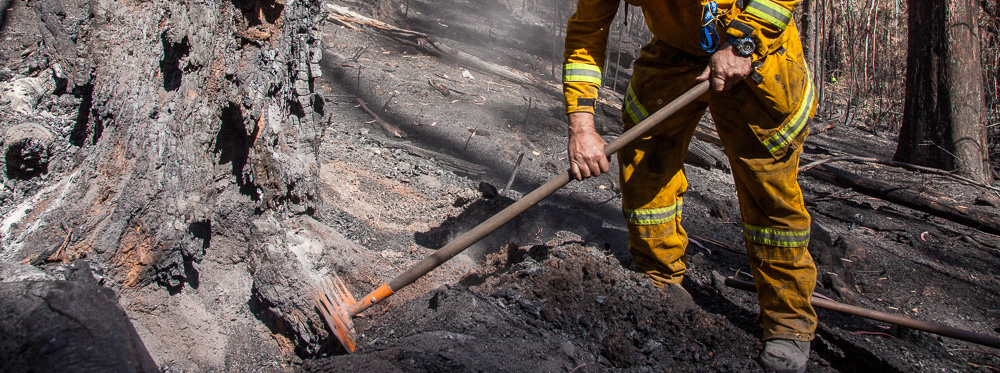
The hard and dirty work of mopping up on the ground after aerial attack is essential to prevent re-ignition.
  • There was no ground response to Green Wattle until nearly six hours after the first reconnaissance, at 2.45 pm. The reasons for this hiatus remain unreported. By that stage both fires had escalated in the heat of the day. By then Green Wattle was too dangerous for ground attack, and attempted control of Butchers Creek soon failed.
  • The two fires merged and continued to burn for about 11 weeks, destroying 37 homes and burning about 278,200 hectares, mostly within the Warragamba water catchment. Two firefighters died near Balmoral on 19 December after a backburn breakout.
  • During the 2019-2020 summer, bushfire protection in the Warragamba Catchment was contracted out by WaterNSW, with a focus on rapid response. No response by the contracted Catchment RAFT (CRAFT) to the Green Wattle and Butchers Creek fires has been reported.

(Reducing the Costs and Impacts of Bushfires, IBG July 2020)
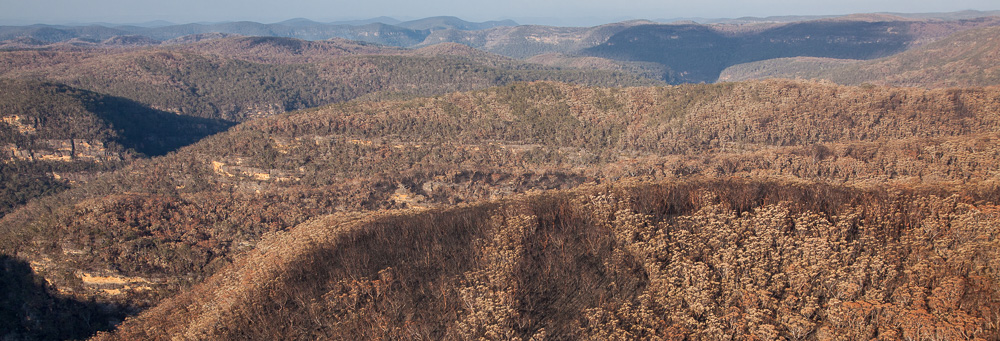
Catching remote fires when they are small is the best way to reduce the impacts and costs of large fires.

‘Long unburnt’ habitat is disappearing

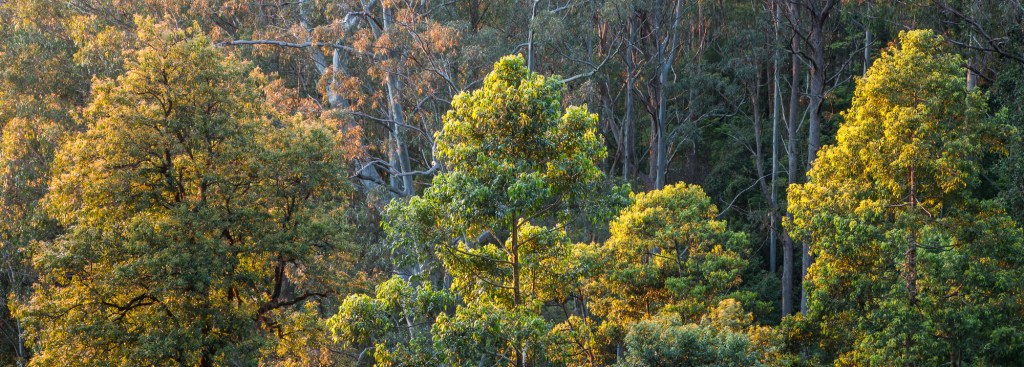
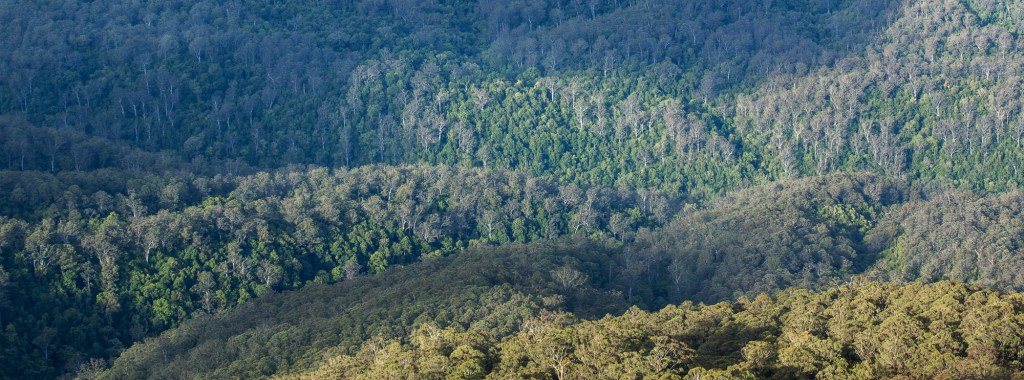
Long unburnt forest, Barrington region, NSW.

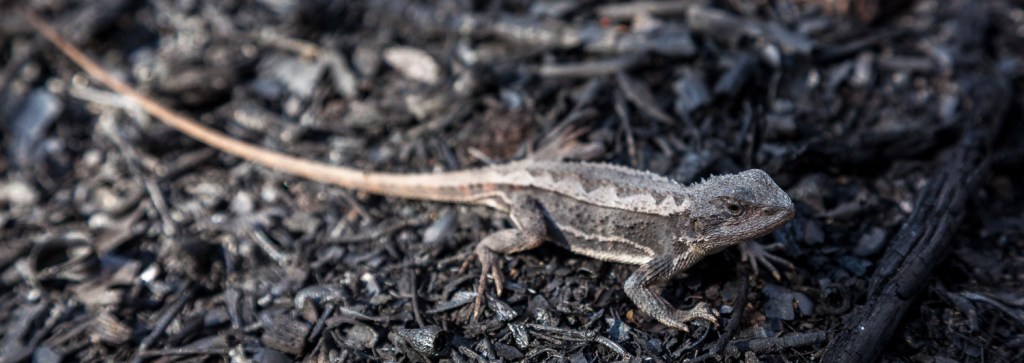
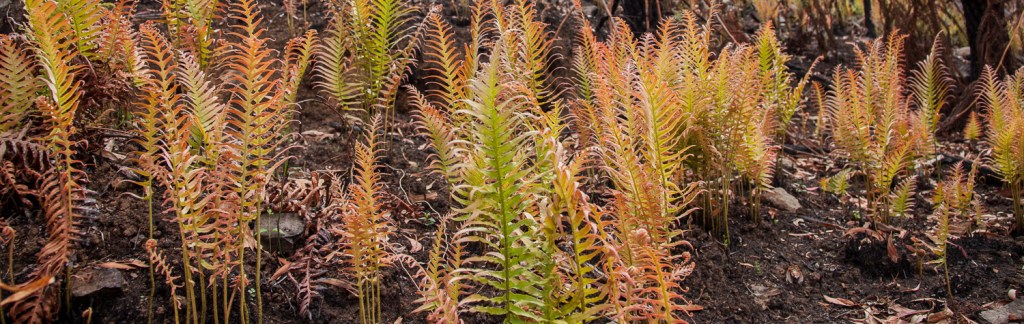
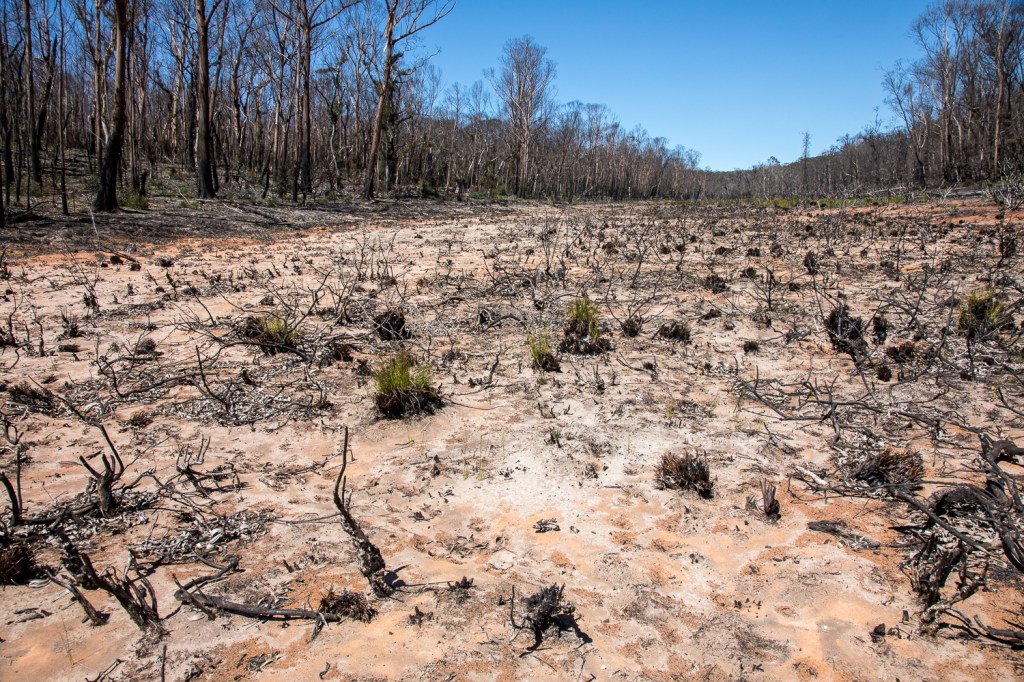
In a recent article in The Conversation, researchers report that changing fire patterns are having a major impact on biodiversity. Areas that have escaped fire for decades or centuries feature vital structures for wildlife such as logs and tree hollows, and are critical habitat for many threatened species. They found that this long unburnt habitat is in severe decline.

“…we analysed the past four decades of fires across southern Australia. We found fires are becoming more frequent in many of the areas most crucial for protecting threatened wildlife. Long unburnt habitat is disappearing faster than ever.”

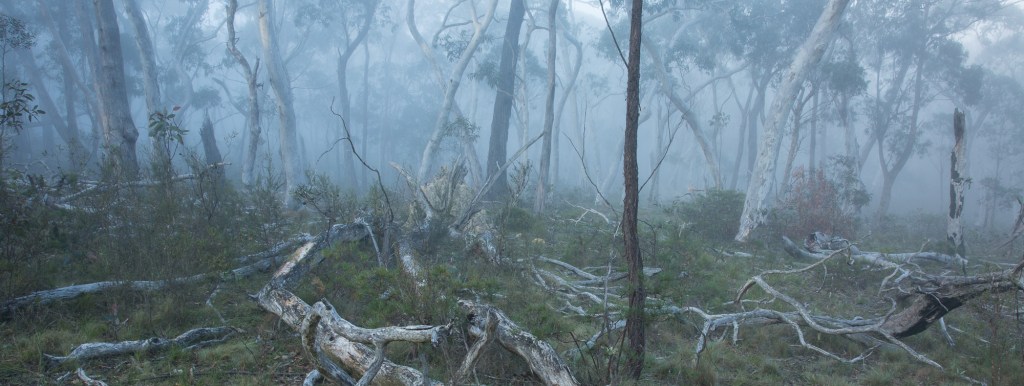
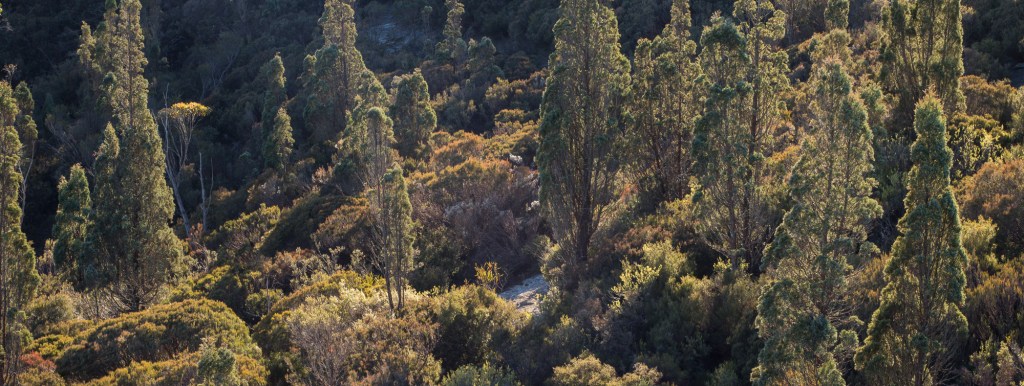
Montane woodland not burnt for more than 50 years, with logs and hollows as important habitat. Central Tablelands, NSW. This area burnt in 2019-2020 (logs on the ground do not add to fire behaviour or risk as they burn after the fire front has passed).

Studies of changed fire activity across 415 conservation reserves and state forests in southern Australia showed the worst affected areas were in southeastern Australia, including the Kosciuszko and Alpine national parks.

“We estimate the total area of long unburnt vegetation decreased by about 52,000 square kilometres, from about 132,000 sq km in 1980 to about 80,000 sq km in 2021. That’s an area almost as large as Tasmania.”

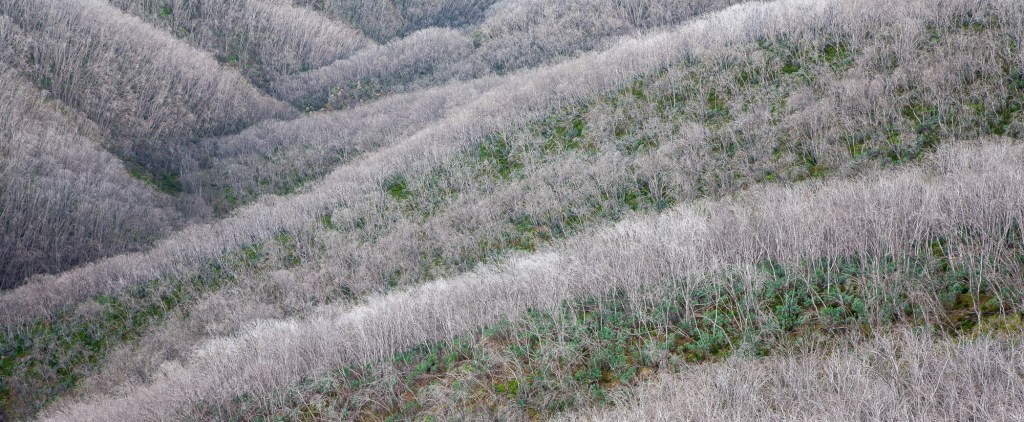
Burnt woodland of Snow Gum, a fire-sensitive species, Alpine National Park, Victoria.

The researchers conclude that there is a need for increased focus on conserving threatened species in fire management strategies.

“While the extent of unburnt vegetation has been declining since 1980, increases in fire frequency and the extent of recently burnt vegetation were mainly driven by the record-breaking 2019-2020 fire season.”

Old heathland with fire-sensitive cypress pines, western Blue Mountains, NSW. This area burnt in 2019-2020.
  • Critical areas of habitat need to be given greater protection from both wildfire and planned fire. Environmental values are often overlooked, especially in emergency events when the focus is on human life and property.
  • A previous IBG post (October 31, 2023) looked at the CSIRO book Australia’s Megafires, a detailed review of the biodiversity impacts of Black Summer. In another article in The Conversation, several of the authors pointed to six lessons of Black Summer. They included the lack of information to prioritise important areas for conservation, ‘grossly insufficient’ conservation funding, sidelining of First Nations’ knowledge and ‘our most significant species and natural environments’ ‘usually come last’ in disasters.
  • The NSW Bushfire Inquiry suggested that critical environmental assets could be given a priority second only to human life (i.e. above property) in bushfires, but did not make a recommendation to that effect.
  • Since then, NSW has ensured listed Assets of Intergenerational Significance are given legal recognition in fire planning (see IBG post of September 10, 2021). Commonwealth environmental law reform should create similar recognition.
  • IBG has long argued that improved suppression of wildfires can reduce the area burnt and hence the impact on biodiversity and human communities. Key reforms include faster and stronger initial attack and a better mix of strategies when fires do grow large.
A mosaic of old growth rainforest and tall wet forest, Barrington region, NSW.

IBG responds to NSW Bushfires Coronial

The NSW State Coroner handed down her report from the Inquests and Inquiries into the 2019/2020 NSW Bushfire Season on 27 March 2024. The Coroner made 28 recommendations after more than two years of proceedings. IBG has issued two media releases responding to the outcome of the coronial.

IBG concludes that while the recommendations are welcome, they are very limited in their scope. This and previous inquiries have only been able to scratch the surface of bushfire operations, and coronial inquiries are poorly suited to finding lessons from how fires are managed. The coronial’s main work on examining deaths and the cause and origin of fires is not questioned.

Evidence-based firefighting is critical to building success, but research and analysis is lacking on the best ways to put out big landscape fires, which are likely to happen more often with climate change. It is also significant that no proper review of what happened in combatting the Black Summer fires, or even any specific fire, has yet been produced by government or any inquiry.

Such analyses are critical to understanding what went well and what can be improved, to ensure better outcomes for next time in our worsening bushfire climate. NSW needs independent oversight of disaster learning.

  • A number of IBG members have direct experience of previous bushfire coronial inquiries. IBG is on public record since 2021 highlighting that coronial processes are poorly suited to examining bushfire operations. The outcome of this coronial has strengthened those concerns.
  • IBG has closely followed the coronial inquiry into the NSW Black Summer fires, and made several submissions. One IBG suggestion was included in Recommendation 11 on bushfire investigations.
  • Coronial inquiries and inquests into bushfire ‘cause and origin’ and human deaths are not in question. These were a large part of the workload of the 2019/2020 coronial. However IBG has previously drawn attention to how coronials are not effective in finding operational bushfire lessons in the depth needed (see IBG’s submission to the 2021 Select Committee Inquiry into Coronial Jurisdiction in NSW and 2023 conference paper: Learning from past bushfire operations for future success).
  • Even if coronials were effective for bushfire operations, more than four years is too long to wait. This delay alone proves the need for a better system. Traumatised communities and firefighters deserve no less.
  • Bushfire coronials are too slow, too constrained by legal processes, inexpert and too confronting for witnesses. Their focus on negative events and public hearings naturally prompt defensiveness above honest reflection. This coronial report contains factual errors (e.g. the date of a critical event in the Green Wattle Creek fire).
  • The perception that everything has been examined is false, because neither the NSW Bushfire Inquiry nor the coronial inquiry focused on actual firefighting, and neither process had the benefit of a detailed analysis of the firefighting operations that happened in Black Summer. Both inquiries recognised their own limitations.

  • The NSW Bushfire Inquiry produced 78 recommendations, but only four were about on-ground operations. One of these was on backburning, a complex issue that sits within a much larger context of bushfire strategies and suppression that was not reviewed.
  • The coronial that ran for two years only examined one actual firefighting issue which was again backburning, and then only looked at two examples, with limited external expert input. It’s not surprising that the inquiry could not produce any recommendations on the topic.
  • The 28 coronial recommendations are mostly about correcting basic procedures, with many oriented towards safety and training. So while these recommendations are valuable and welcome, the scope is very limited. It is disturbing that it was necessary to highlight such basics. Examining these topics used up valuable time at the coronial which could have been used to look at other important issues.
  • Many of the recommendations relate to six ‘systemic’ issues that were selected for further examination in stage two of the coronial. How many flawed procedures might continue in areas that still have not been independently looked at?
  • The recommendations in total will do little to improve performance on keeping fires small and less damaging in future disasters, e.g. there is nothing on initial attack, suppression strategies or aircraft mix and effectiveness.
  • These were the six ‘systemic’ issues examined through selected case studies and the number of recommendations made on each issue:
    • Investigation of fires by the NSW Police Force and NSW Rural Fire service (RFS) – 5 recommendations (to Police and RFS)
    • Bushfire risk classification – 2 recommendations (to Essential Energy)
    • Communications and warnings – 6 recommendations (to RFS)
    • Fire prediction modelling – 2 recommendations (to RFS)
    • Vehicle design and safety – 3 recommendations (to RFS)
    • Backburning operations – planning and execution – nil recommendations
    • 10 recommendations to the RFS were also made on aviation safety, which was not one of the selected ‘systemic’ issues.
  • These are important topics, but some were not examined deeply and many significant issues that emerged during hearings on these topics were not pursued. Critical issues not examined include how to improve initial attack on remote fires, the prioritisation of resources to fires, especially new fires, and the effectiveness of aerial firefighting.
  • The most fundamental question that was not examined was the total firefighting operation’s effectiveness in limiting death and destruction. The conditions of Black Summer and the extent of the fires were often very challenging. This makes it even more important to learn more about how limited firefighting resources can be used most effectively. IBG’s analysis shows that reducing the total extent of the Black Summer fires was possible. This big question has never been looked at by any other body or inquiry.
  • As stated above, all recommendations are welcome but many should not have been necessary (e.g. recommendation 6: pilots to be provided with contact details for the fireground and other aircraft on the scene). The recommendations address relatively minor aspects of larger issues and are couched in soft and conciliatory language such as “review”and “consider”.
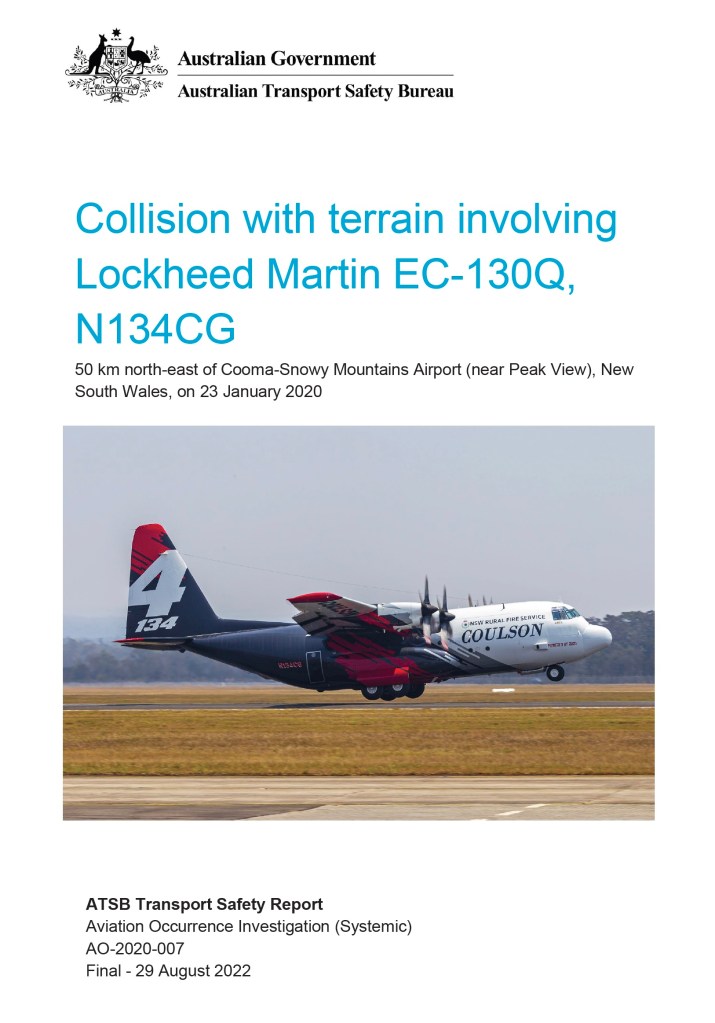
  • It is likely that the attention given in the recommendations to aviation safety arose from the large air tanker (LAT) crash at the Good Good fire in early 2020 in which three airmen died, and the comprehensive review of the incident carried out by the Air Transport Safety Bureau (ATSB). The ATSB report exceeds in detail, analysis and independence anything yet done on any other aspect of Black Summer bushfire operations, and provided ample material for the formulation of recommendations by the coronial inquiry.

  • The inability of agencies and Black Summer inquiries to come to grips with the full range of important operational issues proves the need for more timely, continuous and expert disaster review.
  • Fires and floods are getting worse with climate change. Black Summer revealed inadequate risk assessment and preparation as the drought deepened. NSW needs an ongoing and independent capability for reviewing and improving disaster response. Damaged communities and the whole public need to be confident that vital lessons are being learned and acted upon.

  • IBG recommends an Inspector General of Emergency Management (IGEM), as established by Victoria and Queensland a decade ago, and as recommended for other jurisdictions by the Natural Disasters Royal Commission after Black Summer.
  • IBG has published a detailed proposal for an IGEM in NSW. The IGEM would be permanent, independent and expert. The IGEM would have NO role in day-to-day operations. The IGEM would oversee lessons management systems and continuous improvement for the emergency sector. It would carry out both routine and critical incident reviews and analysis of emergency operations and issues. It would examine both the good outcomes and where results can be improved.
  • Far from being an additional burden, an effective IGEM would streamline the currently ineffective disaster review ‘system’. It would replace the need for ad hoc inquiries after disasters. It would provide expert input to coronial inquiries, just as the ATSB and other bodies do now. Some of this work would be done behind the scenes, in a blame-free way and out of the public glare, thus encouraging open reflection.
  • It is important to emphasise that the IGEM role is for all emergency events and operations including floods. In early April NSW has again been lashed with a destructive east coast weather event with loss of life and massive damage. Just as we owe much to fire responders, we also owe much to flood emergency responders and impacted communities. It is vital that an effective lessons learned system can be applied after floods. Without an IGEM it is likely that needed reviews will not happen.
  • Other major government functions relating to public safety that already have similar oversight include law enforcement, health, transport, defence and security. Bringing emergency operations into line is long overdue.
  • IBG does not expect emergency agencies to welcome such oversight. But they should. IBG does expect the NSW Government to recognise the critical need to make the most of the efforts of thousands of emergency volunteers and paid staff while keeping them safe, to make vast expenditure more effective, and to reduce the death, trauma and destruction NSW communities will suffer in the next disasters. NSW must act, or bear the consequences.

Findings of NSW Black Summer Bushfires Coronial handed down

On 27 March the NSW Coroner delivered a two-volume report from this lengthy inquiry into the worst fires NSW has ever seen. The inquiry extended over 78 sitting days from August 2021 to August 2023 and considered 780 witness statements.

Stage 1 of the inquiry investigated the cause and origin of 41 fires (of the 110 fires referred to the coroner) and the deaths of 25 people, including seven firefighters. Stage 2 examined ‘systemic issues’ deemed worthy of further examination. These were communications and warnings, backburning, vehicle design and safety, bushfire modelling and prediction, bushfire investigations and bushfire risk classifications.

28 recommendations arose from the stage 2 topics, directed to the NSW Rural Fire Service, NSW Police and Essential Energy.

Considerable media coverage ensued, some of which can be found on the IBG Media pages, including an IBG media statement.

Comment additional to the IBG media statement will be added after the report and recommendations have been reviewed….watch this space.

Cause of fires

With many early season bushfires in NSW and Queensland, widespread fire suppression operations have continued into November. Most NSW fires have been in the north-east, but also in the Central West, South Coast and other areas. At various stages during October, more than 80 fires were active. By 5 November after some welcome rain, the tally was down to 66 going fires with 14 not yet contained.

A number of NSW fires have reached emergency level, with for instance six section 44 declarations in place on 30 October1. Two lives, many houses and large areas of grazing fodder have been lost. Coupled with a declared El Nino event, the ongoing threat has caused apprehension in the community about the coming summer. But where are all the fires coming from?

The authorities and media have been largely silent on the origin of recent fires, but until 26 October when a wave of storms across northern NSW sparked a reported 47 new ignitions, the role of lightning has been minimal. This leaves human causes.

At the end of August the Central West Village Voice (and presumably other regional media) ran a story from the Rural Fire Service reporting that in August alone …firefighters across the state have attended more than 600 fires caused by escaped burns. The article urged landholders to exercise caution and adhere to rules when conducting burns on their properties and described the fire permit system and fines: escaped fires attract penalties of up to $110,000 and/or five years prison.

On 31 October at NSW Budget Estimates hearings, the RFS Commissioner said that landowner escaped burns…[are]…absolutely a problem“…

Indeed, just this week we’ve been dealing with quite a number of fires in the north of the State. In areas around Tenterfield there are more than 10 fires burning. Firefighters develop strategies to contain those fires and then suddenly there’s another fire lit, we believe, by landowners to try to protect their own properties. We’re working closely with police Strike Force Tronto to try to identify those landowners and, where we can, obviously get prosecutions through police. We’ve also been fining—RFS can fine landowners where their burns are either illegal or they escape. We are really ramping up our action against landowners because it is costing the State hundreds of thousands of dollars each year.”

RFS Commissioner, NSW Budget Estimates hearing, 31 October 2023

The Commissioner went on to explain that bringing forward district bushfire danger periods when burnoff permits are required would create challenges for resourcing the permit system. The statutory bushfire danger period in NSW runs from 1 October to 1 March, but is often varied due to local conditions.

  1. RFS State Operations Overview, 30 October 2023 ↩︎
Fires in the Tenterfield area of northern NSW at 12 November 2023 (Source: Fires Near Me online)
  • There are many ways to reduce the number, extent, impact and cost of bush and grass wildfires. Preventing human-caused ignitions and escaped burnoffs is one way that could pay large dividends. By November the tally of burnoff escapes would greatly exceed the 600+ attended in August alone.
  • Escaped burnoffs are not only costly for NSW in dollar terms, but also in stress and time for firefighters, impact on property, rural land and conservation areas, and on community cohesion and anxiety. Some areas have seen volunteers responding to repeated escaped fires throughout spring, exhausting equipment and energies for the coming summer.
  • Deliberate ‘freelancing’ by people lighting new fires in an effort to protect their properties, with little or no regard to containment or broader strategy, is effectively arson. This has always happened to some extent, including instances in Black Summer. Perhaps the 2019-2020 experience and anxiety about “the worst fire season since Black Summer” has heightened fears. Some people may not understand what is being done in bushfire suppression, or they may lack confidence in official action.
  • It would be inappropriate to completely restrict landowners from legitimate early-season burning off to reduce the risk on their properties, but there is clearly a need to ensure as few burns as possible escape. Poor burning skills may be a factor. The speed with which parts of the landscape dried off this spring may have caught some off guard. In this context bringing forward the bushfire danger period to require permits earlier may have been helpful.
  • The burden of processing burn permits often falls to a few key senior positions in bushfire brigades, who are the same volunteers who end up committing their time to suppressing escaped private burnoffs. The time taken to inspect and issue permits is a fraction of the effort needed to extinguish the many escaped fires.
  • Many factors lead to escaped burnoffs and freelance backburning, so a multi-pronged approach is necessary. Permits and enforcement alone will have some effect but other strategies are needed. Many of the issues are local and cultural, perhaps historical. Rural communities and bush fire brigades are often well integrated, so community engagement with communication and education could be effective parts of the response.

Biodiversity impacts of Black Summer…and the future

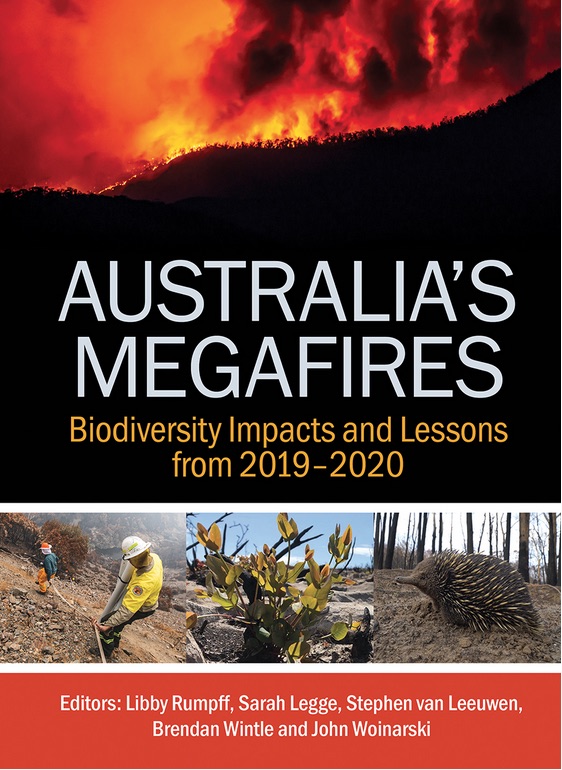
Early in 2023 the CSIRO published an important new book: Australia’s Megafires – Biodiversity Impacts and Lessons from 2019-2020. With five author-editors and 190 scientific, management and expert contributors, this encyclopaedic work focuses on the impacts of the fires in south-east Australia.

Across 512 pages and 36 chapters, its a compendium that “provides a comprehensive review of the impacts of these fires on all components of biodiversity, and on Indigenous cultural values“. It also documents the huge collaborative response to recover fire-affected species and environments. It then “draws lessons that should be heeded to sustain that recovery and to be better prepared for the inevitable future comparable catastrophes. Such lessons are of global relevance, for wildfires increasingly threaten biodiversity and livelihoods across the globe“.

The scope is vast, taking in everything from Amphibians to World heritage. Examined inbetween are forests, plants, ecological communities, soils, weeds, culture, fungi, inquiries, response and recovery, prescribed burning, feral animals and all animal groups. The final chapters pull it all together to consider what has been learnt, with recommendations and prognosis for the future.

As Megafires emphasizes, fires will be more frequent as the world broils and droughts become more severe with climate change. (Harry Recher)

In a review of the book1 to be published in Australian Zoologist, eminent Australian ecologist Harry Recher agrees with the authors that Australia’s terrestrial environments have been shaped by fire, and goes on to say:

When wildfires occur, such as the mega-fires of 2019-2020, the dominant response is alarm followed by kneejerk actions intended to prevent or limit future fires and their effects on people. Little consideration is given by authorities to the ecological consequences of those actions; hysteria prevails. I have never seen bushfires as anything other than a natural part of the landscape. For me, fires are ‘grand natural experiments’ allowing me to study the effects of fire on wildlife and help uncover the relationships between climate, weather, and the abundances of animals … Fire is a useful management tool with conservation benefits, but only when used for ecological and conservation reasons, not simply to protect lives and property. Both goals can be achieved simultaneously, but both must be equal partners of fire management and conservation planning. This is a theme repeated throughout [Megafires]”.

Also emphasised in Recher’s review and throughout the book is that existing data on Australian species and ecosystems are inadequate, and not good enough to properly evaluate the impacts of the 2019-2020 fires. Post-fire assessments and long-term monitoring are piecemeal and limited.

The lack of data and not being prepared for such extensive fires hampered efforts to protect biodiversity. (Recher)

The book considers the extent and impacts of prescribed burning. Reviewing the research, it points out that the main purpose of prescribed burning is the protection of human life and property, but such burning is of limited effectiveness and brief duration in moderating wildfires.

As Megafires explains, fire is a threatening process for the survival of species. However, in my view, the greatest risks of fire to biodiversity are not individual fires, but changes in fire regimes. The season, frequency, and intensity of burns are of greater significance to the long-term survival of species than the extent of individual fires. (Recher)

In his ninth decade Recher is not optimistic about the future of the natural world or humanity, even without more megafires. But he notes the Megafires authors are more hopeful. They say It doesn’t have to happen like this. We can shape a different future.

Many of my generation tried to get society to take an ecologically sustainable path to the future. We failed. Now it is time for others to take over. I wish them luck and courage. It will take both. (Recher)

  1. Harry F. Recher (2023) Tilting at Windmills II: A review of Australia’s Megafires – Biodiversity Impacts and Lessons from 2019-2020, Australian Zoologist, in press ↩︎
  • This mega-book is timely and worthwhile, but sadly highlights the parlous state of Australia’s environment and also how we are trying to manage it without enough information or government support. Fire is just part of this larger problem.
  • IBG agrees with Recher that protection of life and property from fire can be achieved simultaneously with environmental management, but “both must be equal partners of fire management and conservation planning” (Recher).
  • In this context a lot more surveying and monitoring of ecosystems and species between fires is needed, along with more consideration of ecological risks during bushfire operations. This will not detract from a focus on life and property. The NSW Bushfire Inquiry suggested that critical environmental assets should receive protection second only to human life (ie. above property), but did not actually make a recommendation to that effect. The declaration of Assets of Intergenerational Significance, which by law must be considered, is one good step (see IBG Latest News post of 10 September 2021).
  • Prescribed burning is one of the tools needed to manage the impact of wildfire on people, property and the environment, and needs to be focused in a way and in places where it will have the most benefit. That’s mostly close to human assets, and in broader bushland areas where it can provide ecological or strategic outcomes. To protect people, more investment and focus is needed to manage risk on private lands and to build the resilience of communities.
Collapsed Newnes Plateau shrub swamp (Threatened Ecological Community) in the Blue Mountains after the combined impact of hydrological disruption from underground mining and 2019 fire.

Presenting to the NCC Bushfire Conference

For many years the NSW Nature Conservation Council (NCC) has been holding a biennial bushfire conference. NCC is the peak body for environmental NGOs in NSW, with a long interest in bushfire management to protect both people and the environment.

The 13th Biennial Bushfire Conference was held in Sydney over three days in May, with a theme of “Managing Bushfire Together: applying science, skills and stories“. Main sponsors were the NSW Rural Fire Service, NSW National Parks and Wildlife Service and World Wide Fund for Nature.

IBG made a short conference presentation on Learning from past fire operations for future success, an examination of how well reviews and research have delivered lessons for bushfire suppression out of the Black Summer fires. The conclusion was that flawed processes have delivered poorly on operational matters and both change and more work are needed. A fully referenced version of the paper can be found under Our reports.

The conference brought together over 300 people from more than 130 different organisations. They were bushfire practitioners, researchers, conservationists and people from local government and state agencies.

The conference program included 46 presenters covering a wide range of bushfire-related topics, including First Nations perspectives and projects, research by academics, government scientists and bushfire practitioners, community and resilience programs and bushfire management.

Backburning at the NSW Bushfires Coronial

The final Stage 2 public hearings of the NSW Bushfires Coronial Inquiry took place from 15 to 26 May 2023. The topic, one of several systemic issues identified from the Stage 1 hearings, was Backburning Operations – planning and execution.

The hearings mainly considered two backburns that were of high consequence and public interest – near Mount Wilson in the Blue Mountains on 14 December 2019 (related to the Gospers Mountain Fire) and near Yatte Yattah on the South Coast on 30 December 2019 (related to the Currowan fire).

The Coronial Inquiry previously heard that the Mount Wilson backburn escaped containment to spread over a large area and cause considerable damage, including to 100 homes. The level to which the backburn at Yatte Yattah contributed to the tragic bushfire impacts around Conjola Park and surrounds is less clear.

The Coroner heard summaries of these events and questions to be investigated from Counsel Assisting, then witnesses from the Rural Fire Service (mainly), one witness from the NSW National Parks and Wildlife Service (re. Mt Wilson) and a commissioned Expert Witness (re. both events).

The hearings involved questioning on specific events, to determine what actually happened, as well as on the planning and execution of these backburns. At times there was conflicting evidence and a lack of records to assist resolution. The Expert Witness provided his assessment of events and decisions, “based on the brief of evidence”, and his recommendations.

All hearings can be viewed on the Coroner’s youtube channel. Mount Wilson was heard on coronial Days 66 to 70, and Currowan on Days 71-. Media coverage was mainly by the ABC electronic and online, and generally limited to reporting what was heard in the hearings, as appropriate for an ongoing inquiry. Links to online stories appear below.

Closing submissions on Stage 1 and 2 hearings are scheduled for 7-11 August 2023, followed by the delivery of findings at an as yet unspecified date.

Media coverage

IBG comment

  • See IBG’s earlier post (below) on the NSW Bushfires Coronial Inquiry.
  • IBG’s 2020 report Reducing the Costs and Impacts of Bushfires and Fire Case Studies examined backburning issues in detail.
  • A lot of attention has been given to backburning, but it is one method of many used to manage wildfires, especially large and long-running fires. IBG would like to see a more holistic approach and review of strategies for large fires.

An Icon at Risk – Current and Emerging Threats to the Victorian High Country: a report produced by the Friends of the Earth, Melbourne

The Victorian Alps is an area of unique biodiversity that evolved under specific climatic conditions resulting in unique Alpine habitats that are under extreme threat from the potential impacts of climate change.  

This Friends of the Earth report An Icon at Risk – Current and Emerging Threats to the Victorian High Country” highlights these many threats to the fragile Alpine environment. It starts by quoting from Victoria’s Inspector-General for Emergency Management (IGEM) investigation into the 2019/20 fires, ’the past is no longer a reliable guide to the influence of climate and weather upon bushfires into the future’.

The 2019/20 fires burnt through 1.5 million hectares of this region in Victoria, NSW and the ACT. Additional threats to the region include ‘salvage’ logging of burnt areas, logging of precious unburnt forest, invasive plants and animals, feral horses and overdevelopment. Overarching all of this are the threats posed by climate change.  Predicted changes in the climate will result in decreased snow fall, higher temperatures, increased fire frequency, longer fire seasons and decreased overall rainfall but increased intense rainfall events,

Alpine Ash forests did not evolve to tolerate hot fires. In the last 20 years, 85% of Alpine Ash forests have been burnt by hot fires, in some cases several times. This species requires a minimum of 20 years and up to 30 years between fire events for regrowth to be mature enough to produce viable seed. When this does not occur, changes in the structure and diversity of these forests will result. NSW also has significant areas of alpine ash regrowth that needs protection.

To protect these Alpine areas and their unique habitats, vegetation and wildlife, the report recommends the following actions to be implemented in regard to fire.

  • Increase remote area firefighting resources
  • A remote area volunteer firefighting force
  • Urban volunteer fire fighters
  • A national remote area fire fighting force
  • Additional air capacity
  • Broaden intervention to protect threatened vegetation communities
  • Re-thinking prescribed burning

IBG comment

The NSW High Country faces similar threats, with significant areas of Alpine Ash regrowth that need protection from further fire events. The Independent Bushfire Group supports these recommendations from the Friends of the Earth report and has been advocating for similar initiatives.

Left: Alpine Ash regrowth after fire Right: Unburnt Alpine Ash forest (both Kosciuszko National Park)

NSW Bushfires Coronial Inquiry

The NSW Coroner investigates deaths, and the cause and origin of fires. Bushfires that lead to property loss or deaths are usually the subject of a Coronial Inquiry, and the Coroner may also examine systemic issues that arise from such an inquiry.

Twenty-five people including six firefighters died in NSW in the Black Summer bushfires, with 2448 houses destroyed, 5.5 million hectares burnt with the loss of large numbers of native wildlife and stock and $1.88 billion in insurance costs. More detail on the impacts can be found here.

The NSW Bushfires Coronial Inquiry is currently conducting a series of inquests and inquiries relating to the 2019-20 NSW bushfire season. The process is explained in the Coroner’s Public Hearings Information Paper.

Coronial proceedings commenced on 25 August 2021 and hearings are scheduled to continue to the end of May 2023. Stage 1 hearings considered deaths and 44 of the Black Summer fires, with many hearings held in the regions.

The Stage 2 hearings are examining case studies which represent major issues emerging from Stage 1. Topics heard in 2022 have included Public Warnings, Bushfire Investigations by the Rural Fire Service and Police, and Bushfire Risk Classifications. The 2023 Stage 2 hearings are on Vehicle Design and Safety, Fire Prediction Modelling and Backburning Operations – Planning and Execution. As at April 7, the only remaining topic  to be heard is Backburning, with hearings scheduled for 15-26 May 2023. All hearings can be viewed live online or later on the Coroner’s youtube channel.

The ‘fog of fire’

Systemic issues

Systemic concerns identified in the hearings include:

  • Public Warnings – timing, accuracy and effectiveness
  • Bushfire Investigations by Rural Fire Service and Police – distinguishing one fire from another, the naming of fires, which fires are investigated, who should do investigations and the quality of those investigations
  • Vehicle Design and Safety – protection from rollovers and falling objects
  • Fire Prediction Modelling – use and quality of predictions
  • Backburning Operations – planning and execution (not yet heard)

Some of these concerns are connected. For instance, fire predictions inform public warnings and backburning. The Coroner has engaged independent expert witnesses to assist with examining some of these topics, and to help identify practical improvements.

The origin of this escaped containment burn in the Blue Mountains was investigated where it later crossed the Grose River (the valley in the image)

IBG comment

  • Any comment while the Coronial Inquiry is in progress must be limited and cautious.
  • IBG has previously observed that the existing system of public and coronial inquiries, while producing useful outcomes and serving some other purposes, is not be the best way to examine bushfire operations and promote improvements. The IBG position is explained further in the IBG submission to the Select Committee on Coronial Jurisdiction in NSW.
  • IBG has also urged the NSW government to establish an Inspector-General of Emergency Management (IGEM) for NSW as exists in Victoria and Queensland. The role would be expert and independent of combat agencies. It would design continuous learning processes and oversee their implementation. The IGEM would greatly assist the work of the Coroner.
  • The way the current Coronial Inquiry is forensically examining some systemic issues is encouraging.
  • The hearings into Bushfire Investigations (19-20 September 2022) highlighted issues with how fires are defined, which fires are investigated and which agency does the investigation. In one case of an escaped backburn, the police investigation was diverted to a location unrelated to the fire origin.
  • Bushfire Warnings (21 and 23 September 2022) looked at examples where emergency warnings were not issued in time before communities were impacted by fire.
  • The hearing into Vehicle Design and Safety (29 March 2023) involved independent expert witnesses in a productive three-way discussion about better protection of vehicle occupants. Some of those experts were already working with the Rural Fire Service to examine options and act on vehicle improvements. This is a commendable example of how an issue can be acknowledged and progressed collaboratively and with commitment. It is to be hoped that other systemic issues can be progressed in a similar way.
  • The hearing into Fire Prediction Modelling (4 April 2023) explored the relative merits and accuracy of the several models in use, and some better alternatives being developed. The IBG was pleased to hear about the prospect of improved models and greater emphasis on atmospheric stability in fire behaviour prediction and backburning.
  • IBG has a particular interest in the appropriate use of backburning, which is a vital option for controlling wildfires, yet risky and problem-prone. IBG’s 2020 report Reducing the Costs and Impacts of Bushfires and Fire Case Studies examined backburning issues in detail. The Coroner has been made aware of these IBG reports and studies. In response to the hearing on Bushfire Investigations, IBG wrote to the Coroner suggesting improvements to the way these are undertaken. IBG recommendations included:
  • Significant (ie. strategic) backburns and those ignited some distance from the wildfire should be treated as new ignitions. Any ‘escaped’ backburn, of any scale or location, should also be treated as a new ignition, to trigger the investigation system.
  • Any subsequent investigation should be managed at arm’s length with independent oversight (as in Police Critical Incidents).
  • All bushfire investigations should be required to seek evidence and statements from all relevant participants.
  • Oversight by an Inspector General of Emergency Management.