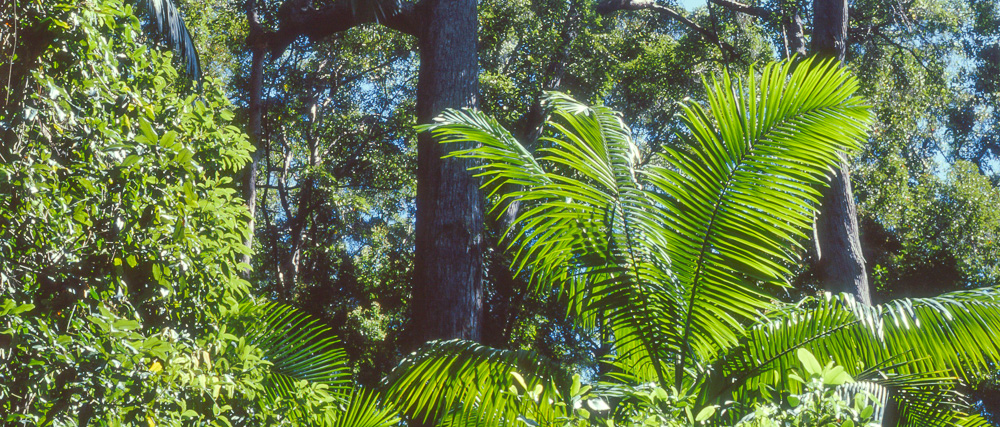
The bushfire that burnt more than half of Queensland’s world heritage listed K’gari (Fraser Island) in 2020 has been the subject of much media comment and public debate, as well as a review by the state’s Inspector General of Emergency Management (IGEM).
Most recently, an ABC story highlighted that the Queensland Parks and Wildlife Service declined an offer to waterbomb the fire in its early stages1.
The IGEM review was announced even before the fire was out and the report was delivered less than 5 months later in May 2021. It was “a report into the effectiveness and preparedness activities and the response to the bushfire” and made 38 recommendations2. In its response, the Queensland Government supported all recommendations (14 of them “in principle”)3.
Notably, the final IGEM recommendation was that “this report be returned to the
IGEM to monitor, evaluate and report on progress and implementation of the
recommendations that are accepted in whole or in part by government“.
- 1 “Queensland Parks and Wildlife initially rejected QFES waterbombing offer for Fraser Island bushfire, documents reveal”, ABC News online, 22 August 2021
- 2 “K’gari (Fraser Island) Bushfire Review”, State of Queensland (Inspector-General Emergency Management), 27 May 2021
- 3 “‘K’gari (Fraser Island) Bushfire Review Report – Queensland Government Response” (no date)
IBG comment
- IBG believes this sort of independent review is very much needed in NSW, they should be routine, and they need to be followed up to ensure recommendations lead to the desired change.
- The NSW Independent Bushfire Inquiry did a good job within its limitations, but could not look deeply into specific fires.
- Nearly two years after Black Summer the public hearings for the coronial inquiries are only just getting underway, and will extend into the middle of 2022. Besides, coronials are not the best way to deal with operational matters.
- IBG has called for the establishment of an independent inspector general of emergency management for NSW.
- The sort of review Queensland’s IGEM did into the K’Gari fire also has its shortcomings. Most importantly, it did not start with an independent analysis of the fire. Without all the facts ‘on the table’ it will always be difficult to identify and reach agreement on what happened and hence what could be done better. A fire analysis would objectively study what the fire did and what the responses were in relation to all the variables like weather and resources.
- The cost of proper bushfire reviews would be a tiny fraction of the expenditure during the Black Summer fires, and of what future seasons could cost.
- We will not comment on the specifics of the K’Gari bushfire operation because we don’t know enough details. However it is noted that many of the issues aired have also been of concern in NSW.


 Independent Bushfire Group