Planned burning is an important tool for mitigating bushfire risk in NSW, yet it lacks strategic policy guidance and ongoing assessment of how effective it is.
There are many questions around what the annual burning program does and whether it is reducing risk efficiently, in the most important places and to the desired extent. Although ‘targets’ by hectares burned don’t strictly apply, all key participants in the burning program often talk as if they do.
NSW does not have an over-arching Bushfire Management and Suppression Strategy. There has been no comprehensive published analysis of how useful the burns were that were conducted in the years before the historic 2019-2020 fires. This important review can still be done.
In this context, the IBG submitted a paper on planned burning in NSW and how it can be improved to the Commissioner of the NSW Rural Fire Service in December 2025.
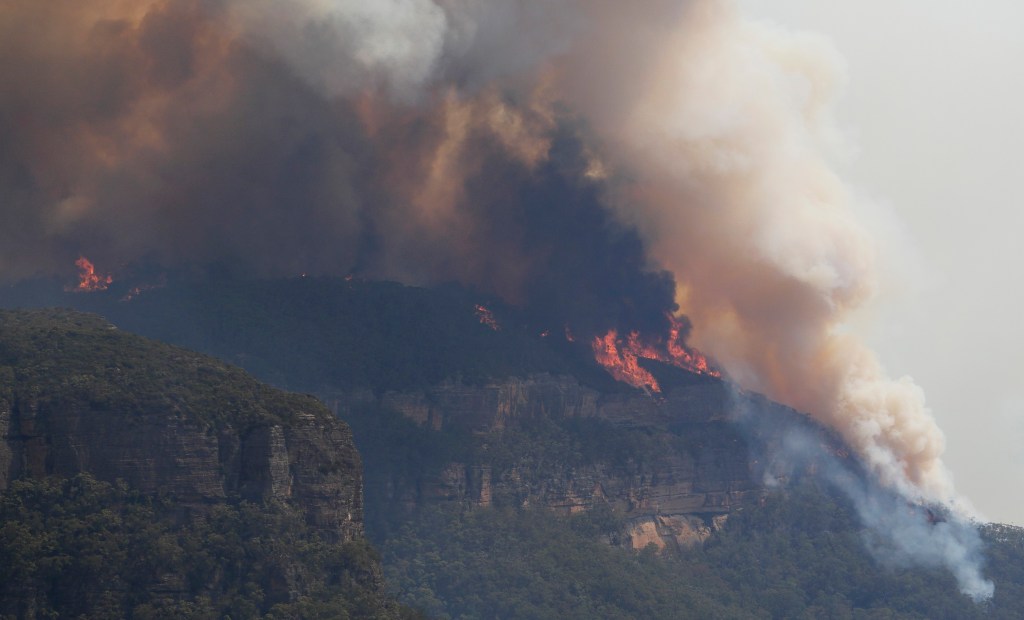
IBG suggested the following principles should apply to the planned burning (PB) program:
- PB should be part of an integrated and coordinated multi-tenure program to manage bushfire risk and increase community resilience.
- PB should be risk-based to maximise risk reduction within available resources and opportunities, i.e. optimised according to risk assessment and evidence.
- PB should be focused mainly on the bushland interface (to reduce bushfire impacts on human assets) and specific strategic zones (to provide or reinforce a bushfire advantage). (NB. this excludes ‘ecological’ burning which may be done by land management agencies outside BFRMP adopted programs).
- The PB program and the completed works should be transparent and rigorously measured and reported.
- The efficacy of PB should be analysed and reported on an ongoing basis, both after wildfire events and in the absence thereof.
IBG also made a number of suggestions on how the planned burning program could be made more evidence-based and effective.
A version of the full IBG paper can be found on the IBG Our reports page.
 Independent Bushfire Group